 Equipo ViaParaguay
Paraguay is South America's best-kept secret. While Peru, Argentina and Brazil draw the crowds, this landlocked country at the heart of the continent offers UNESCO World Heritage ruins with no queues, the planet's largest hydroelectric dam, a capital that Forbes named one of the best places to visit in 2026, and a wild Chaco where nature still rules. All at prices that surprise anyone arriving with a strong currency.
This guide organizes Paraguay into four clear tourist regions, tells you what to do in each, when to travel, how to get around and how much you'll spend. No clichés, just verified facts.
Why visit Paraguay in 2026
- No mass tourism. You'll explore UNESCO sites, waterfalls and museums practically alone. The experience is intimate, not a selfie in a queue.
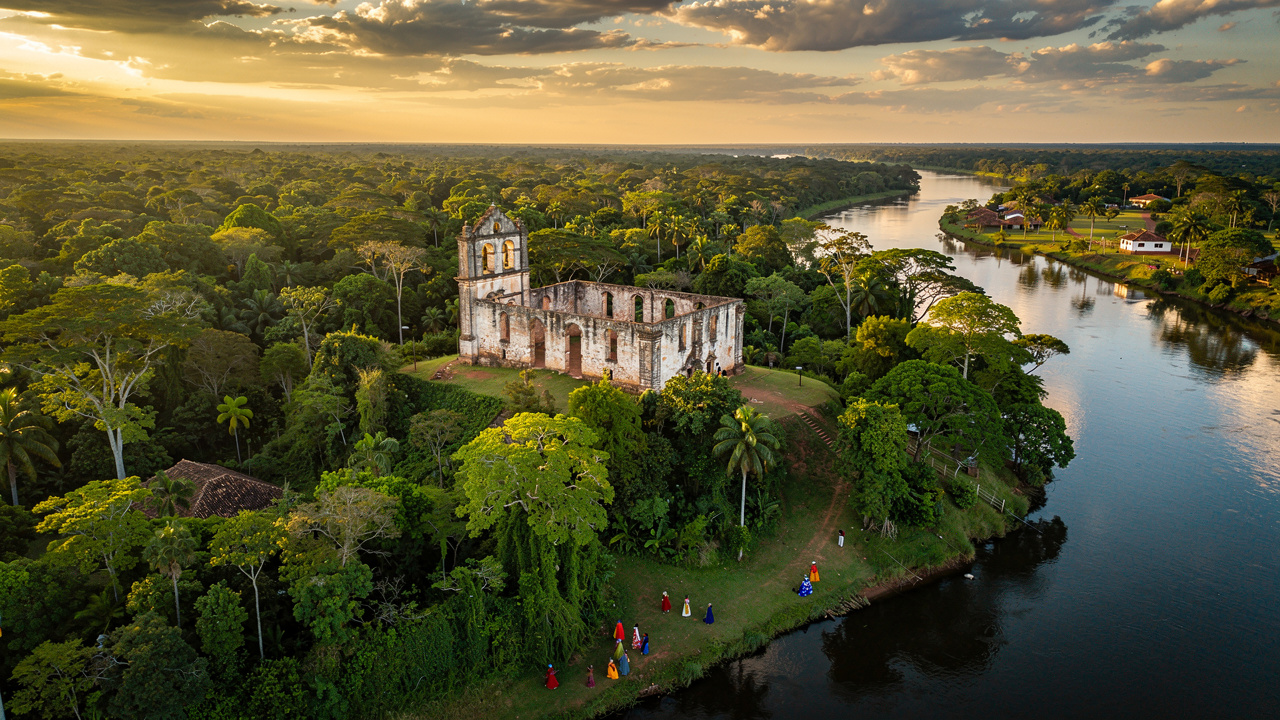
- Unique Jesuit heritage. The reductions of Trinidad and Jesús de Tavarangue are among the best-preserved Jesuit ruins on the continent, and almost nobody knows them.
- Record-breaking nature. Itaipú —the world's largest hydroelectric generator by output— the Monday Falls and the Gran Chaco coexist with the Pantanal wetlands in the north.
- A capital in full revival. Asunción is revitalizing its historic center and living a gastronomic boom that put it on the international radar.
- Friendly budget. Eating, sleeping and getting around cost a fraction of what you pay in neighboring destinations. The guaraní (Paraguay's currency) stretches far.
Paraguay's 4 tourist regions
1. Asunción and surroundings
The oldest capital in the Río de la Plata basin is the natural entry point. Its Historic Center —the López Palace, the National Pantheon of Heroes, the Manzana de la Rivera— is being revitalized, and the dining scene in neighborhoods like Villa Morra and Carmelitas rivals any regional capital. Within two hours you have classic escapes: San Bernardino and Lake Ypacaraí, a historic summer resort town; Ybycuí National Park (about 120 km away), 5,000 hectares of jungle with crystal-clear waterfalls; and Salto Cristal in Paraguarí, a roughly 45-meter cascade. This is the Cordillera and Paraguarí region, ideal for your first days.
2. The Jesuit South (Itapúa)
The south is cultural tourism and beach at the same time. Encarnación, "the pearl of the south," has urban beaches on the Paraná River —Pacucuá, San José and Mboika'ë— that fill up in summer, plus the country's most famous Carnival. Thirty kilometers away lie the jewels: the Jesuit reductions of Trinidad and Jesús de Tavarangue, both UNESCO World Heritage Sites. Trinidad also offers a nighttime light-and-sound show worth planning for. For many, it's the cultural highlight of Paraguay.
3. The East: Ciudad del Este, Itaipú and the Monday Falls
The border with Brazil and Argentina is far more than shopping. Itaipú Binacional, the dam that was for years the world's largest hydroelectric generator, opens its doors to tourism: the Tierra Guaraní Museum and the scale model can be toured Tuesday through Sunday, and on Fridays and Saturdays there's a Monumental Illumination of the structure (accreditation is handed out at 7:30 p.m. in Hernandarias and the show starts at 9:00 p.m.; booking before Thursday is advised). Minutes away, the Monday Falls (Saltos del Monday) are Paraguay's great waterfall: three roughly 40-meter cascades far less crowded than Iguazú, which sits on the Argentine-Brazilian side just a step away.
4. The Chaco: wild nature and Mennonite culture
Crossing into the Chaco means entering another Paraguay. Filadelfia, 462 km from Asunción, is the gateway to the Central Chaco and the heart of the Fernheim Mennonite colony, with more than ten museums on settler history and its own craft brewery, Chaparrón. From there, excursions head to the Campo María salt lagoons and the xerophytic forest, full of wildlife you won't see anywhere else in the country. Further north, Fuerte Olimpo is Paraguay's gateway to the Pantanal. It's a destination for travelers with an adventurous spirit, not for those seeking resort comfort.
The must-do experiences
- Tour the Trinidad ruins and return at night for the light show.
- Watch the Monumental Illumination of Itaipú on a Friday or Saturday.
- Drink tereré —the cold yerba mate infusion that is Paraguay's social ritual— in an Asunción plaza.
- Swim at the beaches of Encarnación in high summer (December to February).
- Try freshly made sopa paraguaya (a savory cornbread, despite the name) and chipa (a cheese-and-cassava bread) at a market.
- Walk Asunción's Historic Center and its waterfront on the Paraguay River.
- Venture into the Chaco to discover Mennonite culture and the dry-forest wildlife.
When to go
Paraguay has a subtropical climate: hot, humid summers and mild winters. The best time for most travelers is April to September (autumn-winter), when temperatures are pleasant for touring cities and ruins. If your plan is beaches in Encarnación, aim for summer (December-February), though you'll endure intense heat. The Encarnación Carnival runs between January and February. For the Chaco, avoid peak summer: the heat there is extreme.
Getting around
Long-distance buses connect Asunción with Encarnación, Ciudad del Este and Filadelfia comfortably and cheaply: premium services with sleeper seats leave at all hours from Asunción's main bus terminal. For long distances or to save time there are limited domestic flights. Renting a car gives you freedom around Asunción and the south, and is almost essential to explore the Chaco at your own pace. Here are approximate distances and times from the capital:
| Destination from Asunción | Distance | Time by bus/car |
|---|---|---|
| San Bernardino / Lake Ypacaraí | ~50 km | ~1 h |
| Ybycuí National Park | ~120 km | ~2 h 30 min |
| Encarnación (Jesuit south) | ~370 km | ~5 h |
| Ciudad del Este / Itaipú | ~330 km | ~4 h 30 min |
| Filadelfia (Chaco) | ~462 km | ~6 h |
How much it costs: budget guide
Paraguay is among the most affordable destinations in South America. A mid-budget traveler manages comfortably spending considerably less than in Argentina, Brazil or Uruguay. These are rough ranges in US dollars (the local currency is the guaraní; values vary by season and city):
- Accommodation: a hostel or simple guesthouse from USD 10-25 a night; a mid-range hotel USD 30-60; boutique options in Asunción above that.
- Food: lunch at a market or local restaurant runs about USD 3-8; dinner at a mid-range restaurant, USD 10-20.
- Transport: a long-distance bus ticket (Asunción-Encarnación, for example) is around USD 8-20 depending on the service.
- Attractions: entry to the Jesuit ruins is affordable (a few dollars); at the Itaipú tourist complex several activities are free, including the Monumental Illumination.
Carry some cash for remote areas like the Chaco and use cards in the cities, where they're widely accepted.
Suggested itineraries
Depending on how many days you have, here's how to combine the best of each region:
3 days: Asunción + express Jesuit south
Day 1, Asunción: Historic Center, waterfront and dining circuit. Day 2, travel to Encarnación and an afternoon at the urban beach. Day 3, the Trinidad and Jesús ruins, returning the same day or staying for the night light show.
5 days: the Paraguayan classic
Add two days in the east: Ciudad del Este, the Monumental Illumination of Itaipú (plan it for a Friday or Saturday) and the Monday Falls. It's the combination covering culture, nature and record-breaking engineering.
7 days or more: include the Chaco
With a week you can add two or three days in Filadelfia for Mennonite culture, the museums and the Campo María salt lagoons. If deep nature is your interest, extend toward Fuerte Olimpo and the gateway to the Pantanal.
Practical tips for your trip
- Documents: Mercosur citizens enter with a national ID alone; everyone else needs a passport. Check the visa requirements for your nationality before traveling.
- Weather and packing: if you travel in summer, light clothing and sun protection are essential —the Paraguayan heat is real—; in winter, a warm jacket for cool nights. Insect repellent always, especially near rivers and in the Chaco.
- Money: change to guaraníes for daily expenses; in Ciudad del Este and border areas, US dollars and Brazilian reais circulate freely. ATMs are plentiful in cities.
- Connectivity: getting a local prepaid SIM is cheap and easy, with good data coverage on main routes. In the deep Chaco the signal becomes intermittent.
- Language: Spanish gets you everywhere in the country. Learning a couple of words in Guaraní —mba'éichapa (hi, how are you?), aguyje (thank you)— earns smiles anywhere.
- Hydration: drink bottled water in rural areas and join the tereré ritual, which besides refreshing you is the best way to socialize.
Keep exploring
This guide is the starting point. To go deeper:
- Jesuit route: Trinidad and Jesús, the World Heritage almost nobody visits
- How to travel to Paraguay: visa, entry requirements and how to get there
- Paraguayan cuisine: chipa, sopa paraguaya and the tereré ritual
- Tourism overview: Iguazú, the Chaco, Jesuit ruins and the Pantanal the world doesn't know
- Culinary, nightlife and cultural Asunción: the capital no conventional guide tells you about
Frequently asked questions
Is it safe to travel to Paraguay?
Paraguay is generally a calm destination for tourists. As in any country, take basic precautions in urban and border areas, and plan Chaco excursions in advance, since it's remote.
How many days do I need?
With 4 or 5 days you cover Asunción and the Jesuit south. A week lets you add Ciudad del Este and Itaipú. To include the Chaco comfortably, plan on ten days or more.
Is only Spanish spoken?
Paraguay is officially bilingual: Spanish and Guaraní (an indigenous language). For tourism and in cities, Spanish gets you everywhere. Guaraní permeates daily life and gives the country its identity.
One of the classic getaways from Asunción — San Bernardino and Lake Ypacaraí, with its historic summer scene — will get much easier in the coming years thanks to the electric Commuter Rail connecting Asunción to Ypacaraí.
Itaipú's Tierra Guaraní museum and the Chaco museums are part of a wider network: the guide to Paraguay's theaters, museums and cultural centers gathers the ones that are open, which days they open and which charge admission.