 Equipo ViaParaguay
Asunción holds most of the country's theaters and museums, but not all of them: there are Jesuit museums in Misiones, a Chaco interpretation center in Filadelfia, a planetarium in San Cosme y Damián and an open-air amphitheater for twenty thousand people facing Lake Ypacaraí. This guide gathers the theaters, museums, cultural centers and galleries that are open, with what is known for certain about each one.
Two things are worth checking before heading out. First: many museums close on Mondays, and several outside Asunción open mornings only. Second: free admission is the rule at state museums, but not everywhere — the San Cosme planetarium and the Jesuit museums charge, and the Museo del Barro charges Tuesday through Thursday and is free on Fridays and Saturdays.
Theaters in Asunción
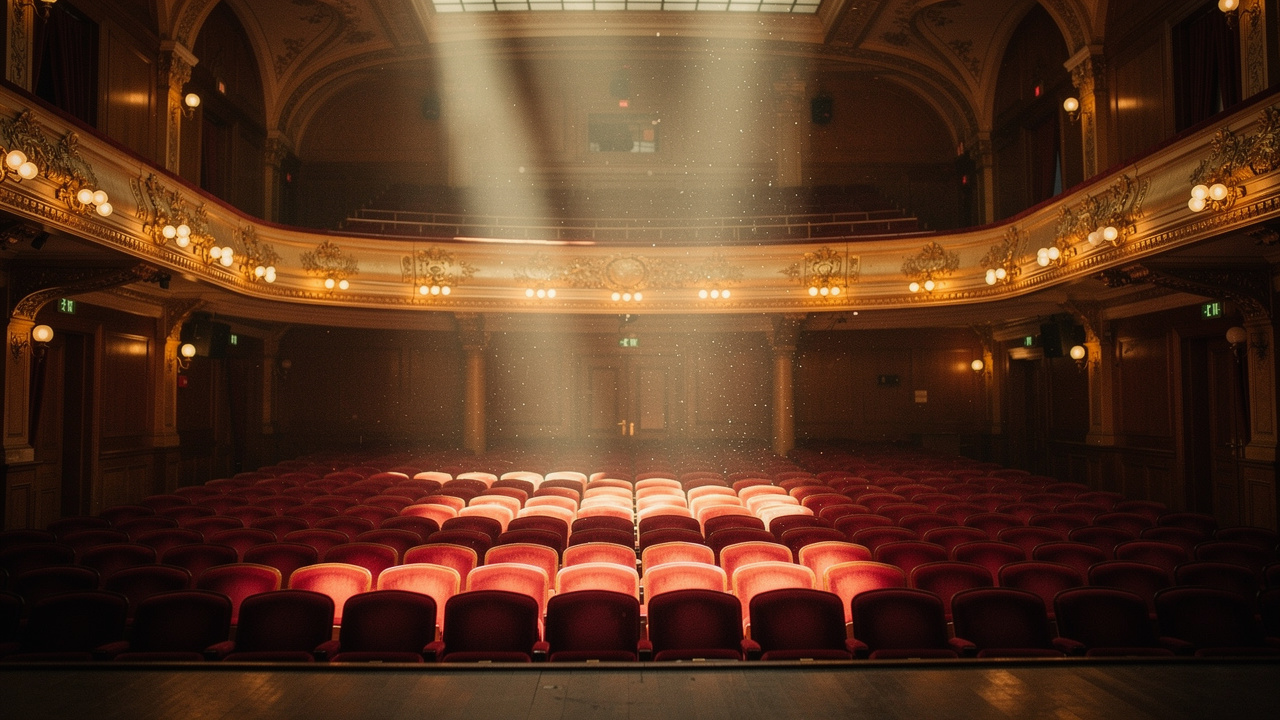
- Teatro Municipal Ignacio A. Pane: the country's largest historic theater, neoclassical and almost 180 years old, on Presidente Franco street. It is designated Cultural Heritage of the Republic of Paraguay under Law No. 3962.
- Teatro Guaraní: one of the largest halls in Asunción, seating close to 800, plus a smaller room, the Café Concert, for about eighty. It sits in the historic center, next to the Cathedral.
- Teatro Latino: founded in 1984, seating 390. It programs theater, dance, concerts and film.
- Teatro Arlequín: founded in 1982 in a converted former nightclub, with more than 350 productions to its name; it served as a space of cultural resistance during the dictatorship and today also runs an acting school.
- Teatro de las Américas CCPA: the stage of the Paraguayan-American Cultural Center, in San Roque, seating 293, with theater, music and film year-round.
- Sala Molière (Alianza Francesa de Asunción): 232 seats inside the Alianza Francesa, open since 1979 and renovated in 2010.
Outside the capital, the Anfiteatro José Asunción Flores in San Bernardino is the largest stage in the country: open-air, facing Lake Ypacaraí, with room for some twenty thousand people. It opened in 1992 and carries the name of the creator of the guarania.
Museums in Asunción
- Museo del Barro: Indigenous, folk and contemporary art under one roof, at the Centro de Artes Visuales. Open Tuesday to Saturday from 2 to 8 pm; admission is free on Fridays and Saturdays.
- Museo Nacional de Bellas Artes: Tuesday to Friday from 9 am to 7 pm and Saturdays from 9 am to 8 pm, with free admission. It opened on 28 March 1909.
- Museo de las Memorias: Dictadura y Derechos Humanos: housed in a building used as a detention and torture center during the dictatorship, now designated a Historic Site and Cultural Property of the Republic. Open Monday to Friday from 9 am to 4 pm, free of charge; groups book ahead.
- Museo Casa de la Independencia: the house where independence was plotted, a museum since 14 May 1965. Admission is free.
- Museo Etnográfico Andrés Barbero: founded on 21 June 1929, it is the reference ethnographic museum on Paraguay's Indigenous peoples. Between 1933 and 1946 it was directed by the German ethnologist Max Schmidt.
- Museo Militar del Ministerio de Defensa Nacional: on the third floor of the Ministry of National Defense, a building inaugurated on 13 August 1958. Open Monday to Friday from 7 am to 3 pm, free of charge.
- Casa Bicentenario de la Música Agustín Pío Barrios: devoted to Paraguay's recorded heritage and to Agustín Pío Barrios, Mangoré. It reopened on 5 May 2026, the anniversary of the guitarist's birth.
- Museo Monseñor Juan Sinforiano Bogarín: Jesuit and Franciscan sacred art, objects belonging to the founding fathers, and material from the War of the Triple Alliance and the Chaco War.
- Museo de la Estación Central del Ferrocarril Carlos Antonio López: the station the country's first railway left from, now a museum, listed as National Historic Heritage under Law 174/1993.
Cultural centers
Asunción's cultural centers program almost year-round, and generally without an admission fee.
- Centro Cultural Manzana de la Rivera: nine restored colonial houses in the historic center, facing the Palacio de López, holding a museum, library, gallery, café and theater spaces.
- Centro Cultural de la República El Cabildo: the old colonial town hall, once seat of the executive and later of Congress, now with rooms for history, music, film, sacred art and Indigenous and folk art.
- Centro Cultural de España Juan de Salazar: active since 1976, with a library, museum, cultural café and one of the most consistent arts programs in the city.
- Centro Cultural Paraguayo Americano (CCPA): a binational institution active since 1942, home to the Teatro de las Américas.
- Alianza Francesa de Asunción: the French-Paraguayan binational center, with the Sala Molière among its spaces.
- Instituto Cultural Paraguayo Alemán – Goethe-Zentrum: founded in 1958, it operates as a Goethe-Zentrum, with certified language courses and cultural programming.
- Centro Cultural Citi: in a restored Art Deco house in Villa Morra, with free programming since 1999.
- Centro Paraguayo Japonés (CPJ): a municipal institution for cultural cooperation, with auditoriums, exhibition halls, workshops and courses.
The Jesuit circuit in Misiones
Four museums hold what survives of the art of the reductions, along Route PY01. There is no combined ticket: each charges separately.
- Museo Diocesano de Arte Jesuítico Guaraní de San Ignacio Guazú: thirty polychrome wooden figures across four rooms of the old Jesuit college. Open Tuesday to Saturday, 8 to 11:30 am and 2:30 to 5 pm; Sundays and holidays by prior booking only. Residents of San Ignacio and children under thirteen go free.
- Museo Diocesano de Arte Jesuítico de las Reducciones de Santa María de Fe: its collection was restored in 1981, after an American couple bought and donated the building. It is run by the Diocese, and visits are guided, in Spanish, Guaraní or English.
- Museo Diocesano de Santa Rosa de Lima: the chapel of Nuestra Señora de Loreto, built around 1706, two kilometers off Route PY01. It is not permanently open: the key is requested at the parish house.
- Museo Tesoro Jesuítico Santiago: the town's parish church holds a complete Jesuit altarpiece, the only one in the country.
Museums outside Asunción
- Museo de Itaipú Tierra Guaraní, in Hernandarias: open Tuesday to Sunday, 8 am to 5 pm. The museum dates back to 1979, when it opened as a natural history museum.
- Centro de Interpretación del Gran Chaco Americano, in Filadelfia: open Tuesday to Sunday, 9 am to 5 pm, free of charge and by appointment. It has an 84-seat theater.
- Centro de Interpretación Astronómica - Planetario Buenaventura Suárez, in San Cosme y Damián: the country's only publicly accessible planetarium, with a solar telescope by day and night viewing between 7:30 and 9 pm. Admission is charged on a sliding scale — Paraguayans pay less than foreign visitors, those over 65 pay half and children under twelve go free — and the ticket also covers the missions of Trinidad and Jesús de Tavarangüé.
- Museo Mitológico Ramón Elías, in Capiatá: the figures of Guaraní mythology carved by Ramón Elías. It is a small family museum; it is worth calling ahead before making the trip.
Art galleries
Fábrica Galería was founded in 1981 by Osvaldo Salerno, Marta Salerno and Ricardo Migliorisi, in a building designed by Carlos Colombino. Galería Exaedro, in Mburicaó, has been running for more than three decades and has its own framing workshop; both belong to Paraguay's art gallery association. And in the historic center, on Humaitá near Colón, Arte con Aroma Café does both at once: a coffee house and a room for temporary shows by Paraguayan and regional artists.
Opening hours at museums and cultural centers shift on public holidays and during the winter break, and theaters open according to the night's show. Each listing carries the address and official website to confirm before going.